Schedule a tour now


Most people abandon their New Year’s resolutions. But that shouldn’t discourage you from setting meaningful goals, especially when you’re thriving in independent living in Fenton, MI. Seniors who set purposeful goals feel more motivated and experience greater fulfillment in their daily lives.
The key to successful skill development lies in choosing supportive environments that offer structure, resources and encouragement. Whether pursuing technology, creative arts, fitness or intellectual pursuits, independent living communities create ideal conditions for lifelong learning and personal growth.
Senior living offers something special: the perfect environment for exploring new interests, learning fresh skills and embracing lifelong growth. At Vicinia Gardens, when residents set personal goals, their quality of life improves in ways that surprise even us. This guide will walk you through skills you can master this year, the remarkable benefits that come with continuous learning and all our community’s enrichment offerings.

What Types of Skills Can Seniors Explore in Independent Living?
Independent living communities have become something quite remarkable—they’re vibrant learning centers where personal growth flourishes. These environments open doors to everything from cutting-edge technology to timeless artistic expression. Let’s discover the exciting range of skills you can develop in these nurturing settings.
Technology basics and digital literacy
Many communities offer technology education platforms that feature video tutorials and printed guides specifically designed for older adults. You’ll learn practical skills such as smartphone navigation, video calling with grandchildren, email management and staying secure online.
Creative arts like painting or writing
Creative expression brings joy and powerful benefits to your daily life. Art programs encompass a wide range of activities, from painting and drawing to photography and crafting—all pursuits that stimulate the brain and may help slow cognitive decline.
Fitness and wellness routines
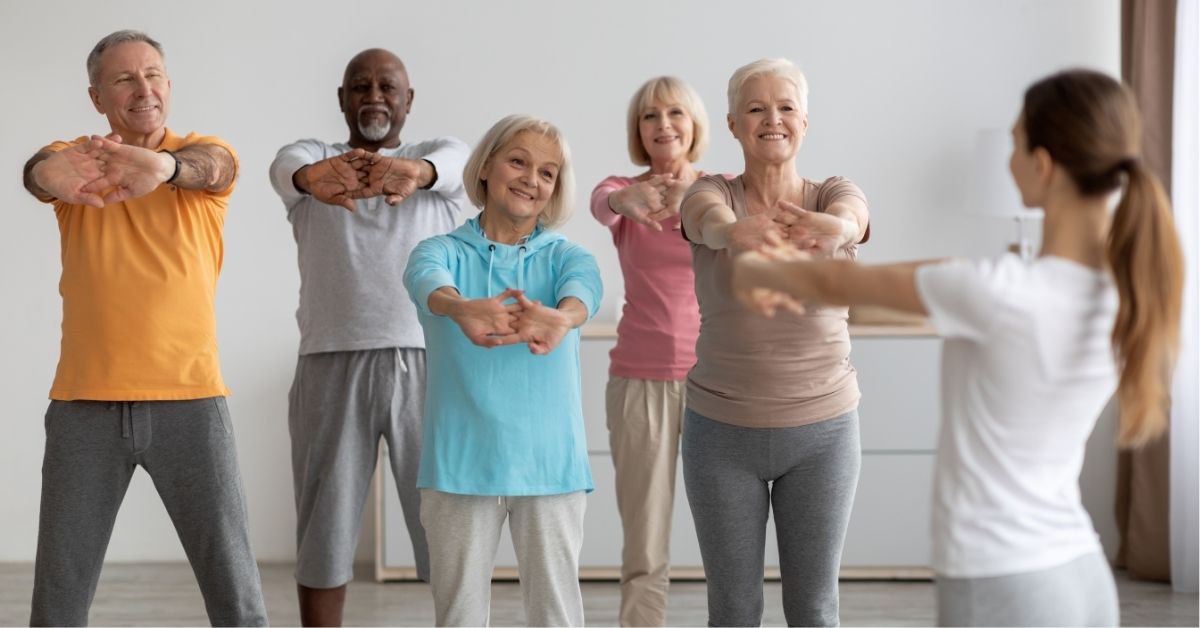
Physical activity becomes pretty more important as we age, offering protection against chronic diseases while improving balance and bone strength. Community fitness options include walking clubs, water aerobics, chair yoga and balance training to boost confidence.
Cooking and nutrition classes
The kitchen offers more than meal preparation—it becomes a place of connection and mental stimulation. Community cooking classes focus on preparing nutritious meals that meet your specific dietary needs. You might explore international cuisines, cook with seasonal ingredients or recreate beloved family recipes that hold special memories.
Language learning or cultural clubs
Learning a new language provides remarkable benefits for your brain. Research indicates that bilingual individuals may experience a delay in the onset of dementia symptoms of up to four years (Bialystok et al., 2007). Language learning creates stronger neural pathways, potentially slowing cognitive decline while opening opportunities for social connection.
Music, dance or performance arts
Music and dance offer delightful ways to maintain both physical and mental wellness. Communities often provide dance classes, including chair dancing, line dancing and ballroom-inspired movement. These activities improve your balance, flexibility and coordination while lifting your spirits.
What Are the Benefits of Learning New Skills for Older Adults?
Learning new skills has a remarkable effect on your brain that scientists are only beginning to understand—seniors who actively engage in learning experience cognitive improvements comparable to those of middle-aged adults. The benefits reach far beyond what you might expect.
- Enhancing cognitive function and memory: This mental stimulation fosters the growth of new neural connections, potentially delaying cognitive decline by years. Older adults who learn multiple skills simultaneously demonstrate improved working memory, episodic memory and mental control.
- Improving emotional well-being: Older adults who actively pursue new skills tend to report lower levels of depression, reduced loneliness and greater overall life satisfaction. Skill development fosters psychological resilience, providing you with practical tools for navigating life’s changes with greater ease.
- Enhancing social interaction: Group classes and workshops create natural opportunities for forming friendships around shared interests. Seniors who participate regularly in learning activities consistently report feeling more connected to their community, which helps reduce health risks associated with isolation.
- Increasing self-esteem and confidence: Every learning milestone becomes proof of your continued growth and competence. This confidence doesn’t stay confined to the new skill—it strengthens your overall resilience in the face of life’s challenges.
- Supporting independence and purpose: Diverse skills contribute to cognitive enhancements that help with better daily decision-making and self-reliance. Continuous learning also fosters adaptability, enabling you to navigate life’s transitions with greater confidence.
Vicinia Gardens’ Enrichment Offerings
- Creative / arts & crafts classes
- Fitness & wellness / gentle exercise/mobility classes
- Social & recreational activities (games, social gatherings, outings)
- Memory care & cognitive support programs (for dementia/Alzheimer’s)
- Pet therapy/animal visits
- Outdoor activities & walking / garden-based recreation
- Community dining / meal-based socialization
- Life-enrichment & holistic care (mental, social, physical wellbeing)
Build New Habits That Last
Each new skill opens another door to possibility. We’ve explored the remarkable opportunities that independent living communities offer—from digital skills and creative pursuits to fitness programs and culinary experiences. The scope of what you can accomplish might surprise you.
The ripple effects extend far beyond the skills themselves. When you engage in continuous learning, your cognitive function sharpens, your emotional well-being improves and social connections deepen naturally. Each new ability becomes another tool for maintaining your independence and sense of purpose.
Communities like Vicinia Gardens recognize the transformative power of learning in daily life. That’s why we’ve built comprehensive support systems—from diverse classes and fitness programs to educational opportunities and resident-led clubs. These environments remove the typical obstacles that make learning feel daunting, creating spaces where intellectual and social growth happen side by side.
Ready to explore what’s possible? Call Vicinia Gardens at (810) 354-7050 and schedule a tour. Discover how our supportive environment can enrich your life or that of your loved ones in the year ahead.
FAQs
Q1. What kinds of activities help keep seniors engaged in independent living communities?
Independent living communities offer a variety of engaging options, including tech classes, creative arts sessions, fitness and wellness programs, cooking demonstrations, language clubs and music or dance activities. These opportunities support mental stimulation, physical activity and social interaction.
Q2. Why is learning new skills important for older adults?
Learning new skills helps sharpen memory, boost cognitive function and improve emotional well-being. It also encourages social connection, builds confidence and supports independence—leading to a more fulfilling and vibrant lifestyle in later years.
Q3. What enrichment programs does Vicinia Gardens offer to support resident well-being?
Vicinia Gardens offers a diverse range of enrichment programs, including arts and crafts, gentle fitness classes, social gatherings, games and community outings. The community also provides specialized memory care activities for residents with dementia, along with pet therapy, outdoor recreation and garden-based programs. Shared meals and holistic wellness initiatives further support mental, physical and social well-being.