Schedule a tour now



The right assisted living in Fenton, MI, creates genuine homes, not just care communities. Older adults thrive when their living environment balances personal space with community connection. Thoughtfully designed spaces balance privacy with connection—residents enjoy personal retreats alongside vibrant common areas that encourage natural interaction. Freedom from household tasks allows residents to focus energy on activities they value, creating fulfillment.
Assisted living communities create family-like environments through thoughtful design, genuine relationships and meaningful activities that transform care communities into true homes where seniors thrive emotionally and socially.
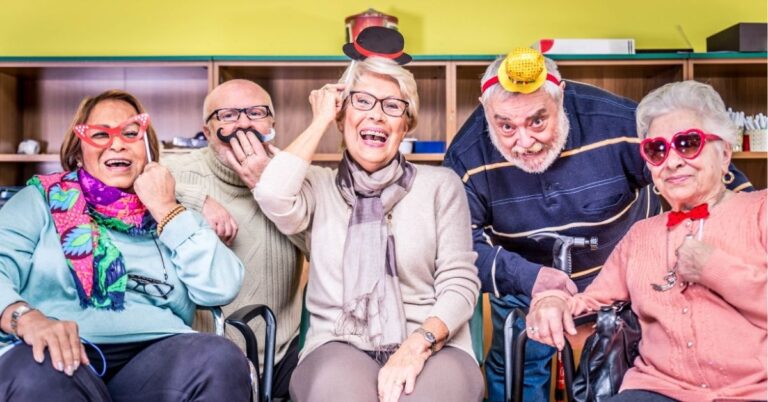
In assisted living communities, social engagement strengthens the family atmosphere through diverse activities that match varied interests and abilities. Group outings create shared memories while daily programs establish comfortable routines. Resident-led clubs where older adults share their passions create real connections based on mutual respect and interests.
What Activities Does Assisted Living In Fenton, MI, Offer To Build Strong Resident Friendships?
Assisted living at Vicinia Gardens builds strong resident friendships by focusing on encouraging socialization through a variety of engaging programs. These activities include group activities, games, communal meals in the dining room, outdoor activities and monthly outings. The community actively works to foster a tight-knit environment where residents are free to explore new hobbies and socialize, supported by a staff that treats them like family. These are three activities offered by our community:
- Group outings and events that foster friendships
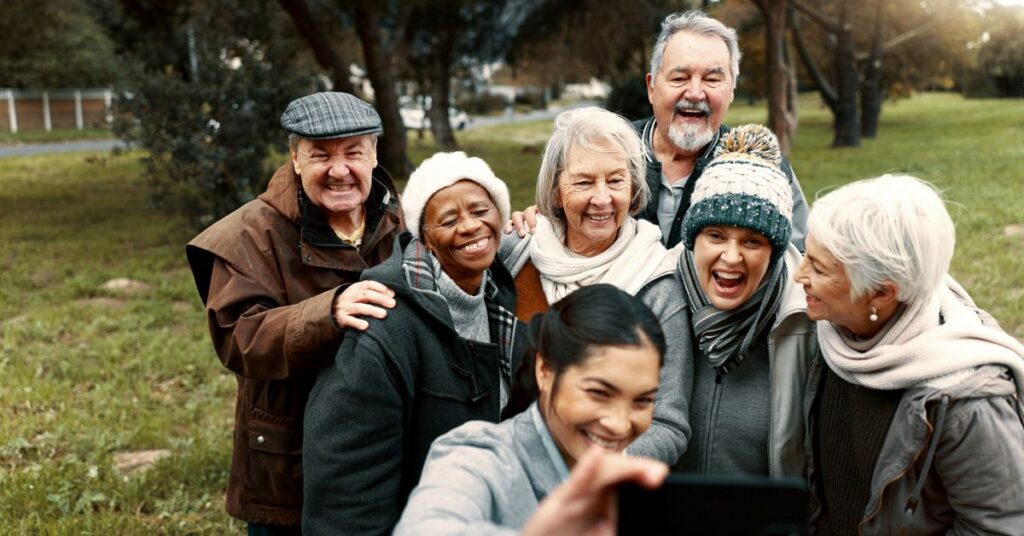
Group outings offer residents opportunities to form genuine connections while sharing new experiences. These adventures create natural conversation starters and lasting friendships. Month by month, the team organizes excursions to local attractions, parks and cultural venues to enhance social connectivity and community bonds among older adults.
- Daily programs that encourage participation
Daily activities engage residents with diverse interests and abilities. Regular programs create comfortable routines that provide structure and predictability. Popular activities include:
- Physical programs like chair yoga and fitness classes that support strength and mobility}
- Cognitive activities, including puzzles, memory games and educational workshops
- Creative pursuits such as music, art therapy and crafting sessions
- Communal dining experiences that encourage natural socialization
These structured activities provide multiple opportunities for interaction, enabling residents to establish connections throughout their day.
- Resident-led clubs and interest groups
The most powerful connections often develop through resident-led groups where older adults take ownership of their social experiences. These clubs empower residents to shape their community around their passions. When residents lead activities based on shared interests—book clubs, gardening committees or game nights—they experience greater purpose and deeper connections.

How Does The Environment Support Emotional Well-Being?
The physical space where older adults live directly shapes their emotional health and sense of belonging. Quality communities create thoughtfully designed environments where residents flourish emotionally, not just physically.
Designing spaces that feel warm and welcoming
Interior design choices in assisted living significantly affect residents’ psychological well-being. Warm colors, comfortable furniture and proper lighting create environments that reduce anxiety and promote positive emotions. Assisted living that balances privacy with opportunities for socialization through thoughtful layout design helps residents feel more at home.
Communities usually allow residents to personalize their living spaces with cherished possessions, creating a familiar atmosphere that maintains their sense of identity during this new chapter.
Chef-prepared meals in communal dining areas create natural opportunities for socialization, while dedicated spaces for activities and entertainment help residents form connections through shared interests.
Access to nature, gardens and quiet areas
Connection with natural environments provides substantial emotional benefits for older adults. A systematic review led by the College of Medicine and Public Health revealed that residents who spend time in gardens experience improved mood, increased well-being, better sleep, and reduced agitation (van den Berg et al., 2020).
Even with mobility limitations, nature connection supports psychological well-being. Key features that increase outdoor usage include:
- Garden greenery with seasonal plants and interactive elements
- Comfortable, accessible seating with weather protection
- Well-designed pathways that accommodate mobility devices
What Makes Assisted Living Feel Like Home?
Assisted living communities create environments where older adults belong, not just reside. Personal touches make the difference. Surrounding yourself with cherished photographs, familiar furniture and meaningful mementos transforms your living space from institutional to personal. These items spark conversations while maintaining your identity within the community.
The physical environment supports emotional well-being through warm design elements, nature access and thoughtful amenities that encourage both casual encounters and deeper relationships.
The best assisted living communities maintain independence while fostering community and encouraging connection. This balance helps older adults thrive in an environment that feels like home. Finding the right community becomes one of the most important decisions for your next chapter. Experience this welcoming environment firsthand—call Vicinia Gardens at (810) 354-7050 and schedule a tour to see how assisted living can create your next chapter of belonging.
FAQs
Q1. What helps assisted living communities feel like home for seniors?
Assisted living feels like home when residents can truly make the space their own. Many communities encourage seniors to decorate with their favorite furniture, photos and keepsakes. There’s also the comfort of having private areas for quiet time, along with cozy shared spaces where neighbors can connect. And since daily chores are taken care of, residents have more freedom to enjoy their day, just like at home, but with a little extra support when needed.
Q2. Why are social activities such an important part of assisted living?
Social activities are at the heart of community life. Whether it’s a group outing, a fitness class or a resident-led club, these moments help seniors build friendships and stay engaged. Staying socially active reduces feelings of isolation and boosts overall happiness and well-being. It’s not just about fun — it’s about creating meaningful connections that make every day more fulfilling.
Q3. How does the physical environment in assisted living impact emotional well-being?
The surroundings make a big difference. Warm, welcoming spaces, easy access to gardens and outdoor areas and thoughtful designs that encourage interaction all help residents feel calm and connected. Add in on-site amenities and 24/7 support and you get an environment where seniors can relax and truly thrive — emotionally as well as physically.