
Schedule a tour now



Your loved one’s move to assisted living in Fenton, MI, marks a profound moment—one filled with natural worry, hope and the promise of renewed purpose. While the path may feel uncertain at first, thousands of families discover that this transition opens doors to unexpected joy, deeper connections and genuine peace of mind.
Moving to assisted living triggers genuine anxiety in seniors, but with proper support and preparation, this transition can become a positive new chapter rather than a traumatic experience.
The key to success in transitioning to retirement communities lies in combining emotional support with practical preparation. Most seniors eventually discover unexpected benefits from senior living—professional care, reduced isolation and freedom from home maintenance—leading to improved quality of life when the transition is handled thoughtfully.

How Can Families Provide Emotional Support During the Transition to Assisted Living?
Family involvement makes the difference between a difficult move and a welcomed new beginning. Your presence and understanding help your loved one see this change as a positive step toward enhanced connection. These are some tips that make communication more supportive.
- Listen first, then respond. When your loved one shares worries about the move, give them your full attention. Focus on understanding their perspective instead of immediately trying to solve the problem. Simple responses like “That sounds concerning” or “I understand why you’d feel that way” show you hear them.
- Keep explanations simple and clear, especially if cognitive changes are part of the picture. Long, detailed discussions about benefits and logistics can feel overwhelming. Instead, focus on one topic at a time and check for understanding.
Remember that your loved one might ask the same questions several times or need extra moments to process new information. This repetition doesn’t mean they’re not listening—their brain is working to make sense of significant changes. Gentle, consistent answers help build confidence.
How do you calm “new neighbor” anxiety?
Social anxiety hits many residents hard during their first weeks. Hearts race, hands shake and breathing becomes shallow when facing rooms full of unfamiliar faces.
Plan several visits to the community before move-in day. Walk through dining areas during lunch, observe life enrichment activities and introduce your loved one to team members. Familiarity reduces the overwhelming feeling of newness.
Work with community team members to create predictable daily routines. Regular meal times, consistent medication schedules and planned activities provide structure when everything else feels uncertain. This rhythm becomes an anchor during the adjustment period.
How Can Residents Build New Friendships And Create Meaningful Connections?
Social connections become increasingly important as we age. Loneliness can affect health outcomes just as seriously as unhealthy practices or conditions, such as smoking or obesity.
What helps with making friends in assisted living?
A friendly approach opens doors in any new community. Residents who introduce themselves with a warm smile and ask simple questions about others’ interests often find welcoming responses. Mealtime conversations provide perfect opportunities for getting to know neighbors, since shared dining naturally brings people together.
Are group activities effective for social bonding?
Yes, they work beautifully. Research indicates that higher group meeting attendance corresponds with decreased loneliness (Huang, D., Feng, R., & Shi, M., 2024). Vicinia Gardens community offers numerous life enrichment programs designed to bring residents together:
- Walking clubs combine physical wellness with friendly conversation
- Book clubs connect residents who love literature and lively discussion
- Art classes provide creative outlets while fostering shared experiences
How can quieter residents feel included?
About one-third of people prefer smaller groups and peaceful environments. These residents often enjoy “active observation” – attending events without feeling pressured to participate extensively.
Quality connections matter more than quantity. A few meaningful activities each week often bring more satisfaction than a packed schedule.
What role does the community environment play?
Well-designed communities support social engagement through:
- Physical spaces that naturally encourage interaction
- Programming that offers diverse connection opportunities
- Team members who understand individual preferences and help facilitate appropriate introductions
Finding Peace in the Journey
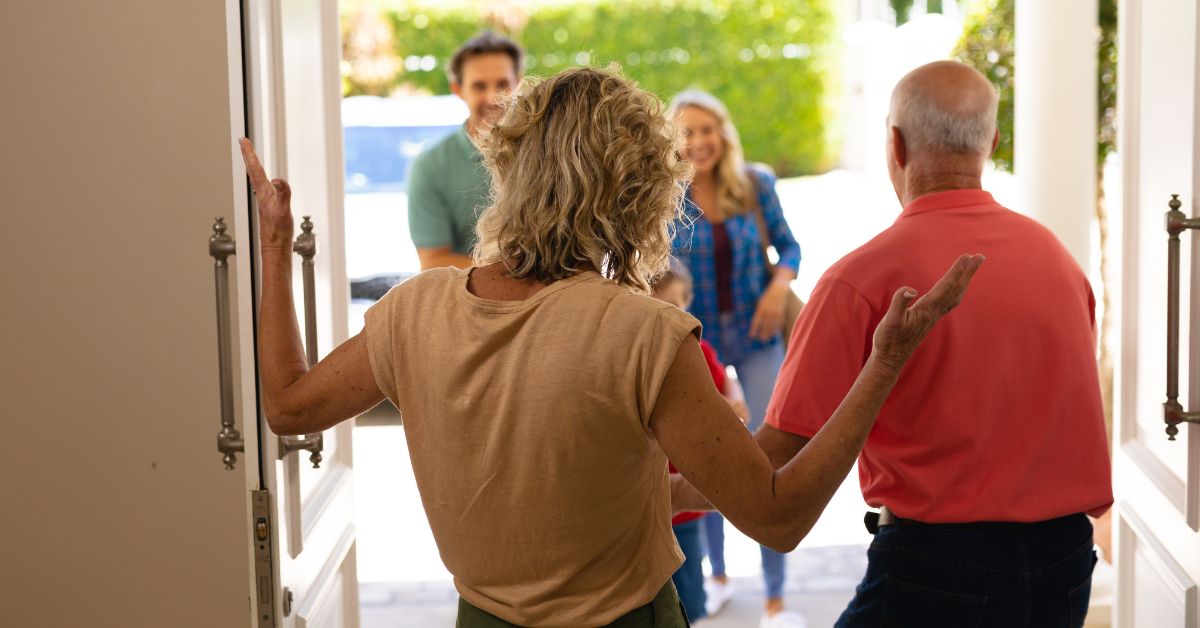
Family support while transitioning to assisted living creates the foundation for everything that follows. When you listen with patience, communicate with clarity and help create a space that feels like home, you’re building bridges between the life your loved one has known and the community they’re about to embrace.
Your presence during this transition speaks louder than words, offering reassurance that love and connection continue, just in new ways.
Questions about making this transition as smooth as possible? The experienced team at Vicinia Gardens offers personalized guidance at (810) 354-7050, helping families navigate this important decision with care and understanding.
FAQs
Q1. How can I help my loved one feel less anxious about moving into assisted living?
Start by letting them know their feelings are completely valid. Talk openly and often and involve them in decisions whenever possible—especially when it comes to personalizing their new space. Keeping routines predictable and setting regular visit times can be very comforting. If you can, schedule a few visits before move-in so the environment feels familiar instead of overwhelming.
Q2. How can seniors overcome loneliness and make friends in assisted living?
Getting involved is key, but it doesn’t have to happen all at once. Group activities like walking clubs, book discussions or art classes naturally create opportunities to connect. For more introverted seniors, it’s okay to ease in—watching and listening at first can still lead to meaningful relationships over time.
Q3. What role do staff members play during the transition to assisted living?
Staff play a huge role in helping new residents feel at home. They explain daily routines, answer questions, provide emotional reassurance and often make personal introductions to other residents. Many communities even assign a specific team member to check in regularly during the first few weeks, which can make the adjustment much smoother.
Q4. How long does it usually take to adjust to assisted living?
There’s no set timeline—adjustment looks different for everyone. It’s normal to see some emotional ups and downs at first. With patience, encouragement and support from family and staff, most seniors gradually settle in and begin to enjoy the social connections, structure and unexpected benefits that come with assisted living.